
Choosing the Right Design Tool For Your Small Business Social Media Graphics
As a small business owner, creating eye-catching social media graphics is crucial for engaging your audience and building your brand. But with a dizzying array of design tools available nowadays, how do you choose the right one for your needs? In this article, we'll dive into the strengths and weaknesses of three popular options - Canva, Adobe Creative Suite, and AI-powered tools – to help you make an informed decision.
We'll explore real-world examples from our recent work with a local accounting firm, to demonstrate when each tool shines and where they fall short. You'll see how Canva excels at speed and simplicity, Adobe provides unmatched control and customization, and AI generates interesting ideas but often lacks business context.
By the end, you'll have a clear framework for selecting the best tool for different types of projects and a strong grasp of key design principles to keep in mind.
The Power and Precision of Adobe
Tools like Adobe Photoshop and Illustrator have long been the gold standard for professional graphic designers - and with good reason. They offer pixel-perfect control over every aspect of your designs, from custom typography to complex layouts and photo manipulations.
This level of fine-tuned control is where traditional tools like Adobe really shine compared to AI-powered generators like Midjourney. While Midjourney can conjure up incredible, otherworldly visuals from a text prompt, it doesn't give you the ability to tweak and refine every little detail to suit your exact needs.
With Adobe, if you can dream it up, you can create it - and you can keep adjusting it until it's perfect. Want to nudge that headline a little to the left? Change the curve of a line? Swap out a photo while keeping the exact same text layout? Adobe has you covered. That granular control is essential for creating designs that are tailor-made for your unique brand.
For Perez & Company, switching to Photoshop to refine the social media posters made a world of difference. We were able to fine-tune the hierarchy of information, build more meaningful visual structure, and craft compositions that reinforced the firm's core values of precision, transparency, and stability.


Just as their clients trust them to sweat the small stuff on their tax returns, the graphics now communicated that same obsessive attention to detail. The aesthetic shifted from "bright and breezy" to "calm, clear, and confident" - much more in line with their brand.
.webp)
Adobe is the way to go when you need:
- Complete creative control and flexibility
- Bespoke, one-of-a-kind designs
- Ability to align visuals with specific brand attributes
- High degree of polish and refinement
- More complex compositions and layouts
The tradeoff, of course, is a much steeper learning curve and longer production time compared to more streamlined tools like Canva. Adobe is incredibly powerful, but that power comes with a certain level of complexity that can be overwhelming for casual users. Which brings us to our third category...
The Promises and Pitfalls of AI Tools
In recent years, AI-powered design tools have exploded in popularity, promising high-quality visuals generated from simple text prompts and the results can indeed look very slick and impressive. Tools like Midjourney and Stable Diffusion, Nanobanana are capable of producing stunning, imaginative truly enhanced graphics that feel like they were created by a talented (if slightly wacky) human artist.
However, as we experimented with AI for Perez & Company, a clear pattern emerged: while the images were certainly eye-catching, they often missed the mark in terms of accurately representing the business and its industry. We'd get cool, funky illustrations that looked more suited to a trendy coffee shop or a music festival than a buttoned-up accounting firm.
Without the context and strategic thinking that a human designer brings to the table, the AI would spit out graphics that were visually appealing but disconnected from the brand's actual identity and messaging. It couldn't grasp the nuances of the audience, the competitive landscape, or the desired emotional resonance.
AI is best reserved for:
- Rapid ideation and brainstorming
- Inspiration and outside-the-box thinking
- Visualizing abstract or hard-to-photograph concepts
- Identifying trending aesthetics and styles
But for final, public-facing designs, AI-generated visuals still require a hefty dose of human curation and art direction to ensure they're truly fit for purpose. The machine is great at riffing on creative prompts but not so great at anchoring its output to real-world business goals.
Key Takeaways for Small Business Owners
Ultimately, no tool is a magic bullet on its own. The real power comes from wielding them thoughtfully and intentionally in service of a clear vision for your brand or business. By understanding the strengths and limitations of each design tool, you can make more strategic decisions about how to allocate your design resources for maximum impact.
The next time you're staring down a social media content calendar, take a beat to think through what each post is really meant to achieve - then pick the tool that will get you there with the right balance of speed, polish, and brand alignment. A little extra planning on the front end can save you a lot of headaches down the line.
Disclosure: This content has been thoughtfully developed with a balanced approach, integrating human insight and AI-driven refinements.

The client wanted full branding for $10. We suggested maybe if they have a talented cousin that can do it for free. The cousin declined so we suggested Fiverr. Every brand has an origin story. Theirs is… memorable.
The Strategic Choice: Local vs. Remote Employees for Small Business Growth
Building a business is as much about people as it is about product or profit. For small business owners, one of the biggest decisions is who to hire – and where they’ll work from. The debate between local and remote employees isn’t new, but the rise of hybrid work has made the decision more nuanced than ever.
%20%E2%80%93%20and%20How%20They%20Can%20Help%20You%20Too_.webp)
Website Templates vs. Custom Development: A Practical Framework for Small Businesses
As a small business owner, your website is one of your most powerful marketing tools. It's often the first point of contact with potential customers and can make or break their decision to engage with your brand. But when it comes to building a website, you're faced with a key choice: use a pre-designed template or invest in custom development?
%20businesses.webp)
Simple SEO tips for Florida-based (Local) businesses
If you’re a small business owner in Kissimmee, selling handmade jewelry online and in local flea markets, you know you need to get your website in front of more potential customers, but you're not sure where to start. Or maybe you run a pet grooming salon in Four Corners and want to attract new clients in your area, but your website isn't showing up in local search results.

Strengthening Our Community: How Supporting Local Businesses Benefits Us All
In every community, small businesses shape the everyday way of life. They’re not only places where people buy what they need, they are run by families, neighbors, and individuals who live in the same environment as the people they serve. When we talk about supporting local businesses, it isn’t a simple thought or a slogan we pass around casually. It is a real, practical way to strengthen the community we all share.
.webp)
Beyond Brick and Mortar: Strategies for Small Businesses to Succeed Online
If you're a small business owner in Central Florida, you've probably heard that having an online presence is important. But what does that really mean? And how do you get started when you're already juggling a thousand other tasks?
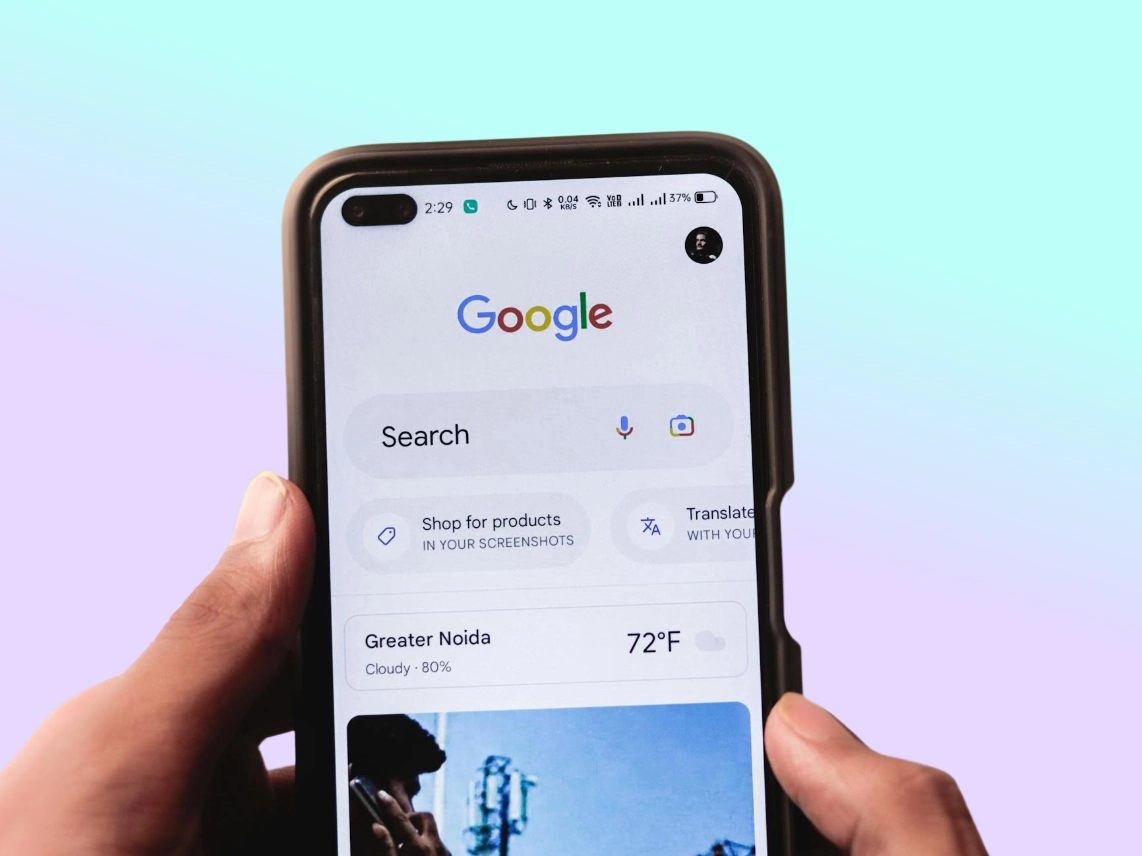
Why Local Businesses Win More With A Strong Google Profile Than With A Website Alone
For a long time, having a website was the main way to get noticed online. It was like your digital storefront, the place where people could learn about your business, see what you offer, and choose whether to come in. And while a website is still super important, it's not the only thing that matters anymore. These days, for a lot of local businesses, the first place customers see you isn't your homepage. It's your Google Business Profile.