
Simple SEO tips for Florida-based (Local) businesses
%20businesses.webp)
%20businesses%20(2).webp)
If you’re a small business owner in Kissimmee selling handmade jewelry online, you probably want more people finding your website. You just may not know where to begin. Or maybe you run a pet grooming salon in Four Corners and want more local clients, but your website is not showing up when people search for services nearby.
If your business depends on being found online, SEO is something worth paying attention to. But what exactly is SEO, and how can it help your business grow?
SEO stands for Search Engine Optimization. It is the process of improving your website so it shows up more clearly in search results when people look for products or services like yours. In simple terms, it helps the right people find your business online.
Why does SEO matter for small businesses in Florida? Consider these facts:
Most people now look online before choosing where to go or who to hire. In fact, 80% of U.S. consumers search online for local businesses every week, and 46% of Google searches have local intent. Source: https://www.brightlocal.com/resources/local-seo-statistics/
Essentially, if your website doesn't appear on the first page of search results, you're missing out on valuable opportunities to connect with potential customers who are actively searching for what you offer.
But SEO can seem complicated and technical, especially if you're not a digital marketing expert. The good news is, you don't need to understand all the intricacies of search algorithms to benefit from SEO. By implementing a few key strategies consistently, even small businesses with limited resources can improve their online visibility and attract more organic traffic.
Is SEO Still Relevant in an AI-Driven World?
In today's AI-driven world, is SEO still relevant? After all, with the rise of voice search, mobile devices, and smart assistants like Siri and Alexa, the way people search for information online has evolved. However, SEO remains a crucial strategy for small businesses looking to attract organic traffic and reach potential customers online.
In fact, AI has made SEO more important than ever. As search algorithms become more sophisticated, they're better able to understand user intent and deliver more relevant, personalized results. By optimizing your website and online presence for search engines, you're also optimizing for AI-powered tools and making it more likely that your business will be found by potential customers.
Moreover, SEO offers several advantages over other digital marketing strategies:
- Cost-effective: Unlike paid advertising, SEO targets organic traffic, which means you don't pay for each click or impression. While SEO requires time and effort, it can be more cost-effective in the long run, especially for small businesses with limited marketing budgets.
- Long-term benefits: SEO is a long-term strategy that compounds over time. As you build your website's authority and relevance, your search rankings can improve, leading to more organic traffic and potential customers. Unlike paid ads, which stop generating traffic as soon as you stop paying, the benefits of SEO can continue long after you've implemented your initial strategies.
- Increased credibility: Appearing at the top of organic search results can increase your business's perceived credibility and trustworthiness. Users often see top search results as more reputable and are more likely to click on them over paid ads.
- Competitive advantage: By investing in SEO, you can gain a competitive edge over other small businesses in your area that may not be optimizing their online presence. Even if you're in a crowded market, effective SEO can help you stand out and attract more qualified leads.
Of course, SEO isn't the only digital marketing strategy small businesses should use. Paid advertising, social media marketing, email marketing, and other tactics can also be effective depending on your goals and target audience. However, SEO remains a foundational strategy that can support and enhance your other marketing efforts.
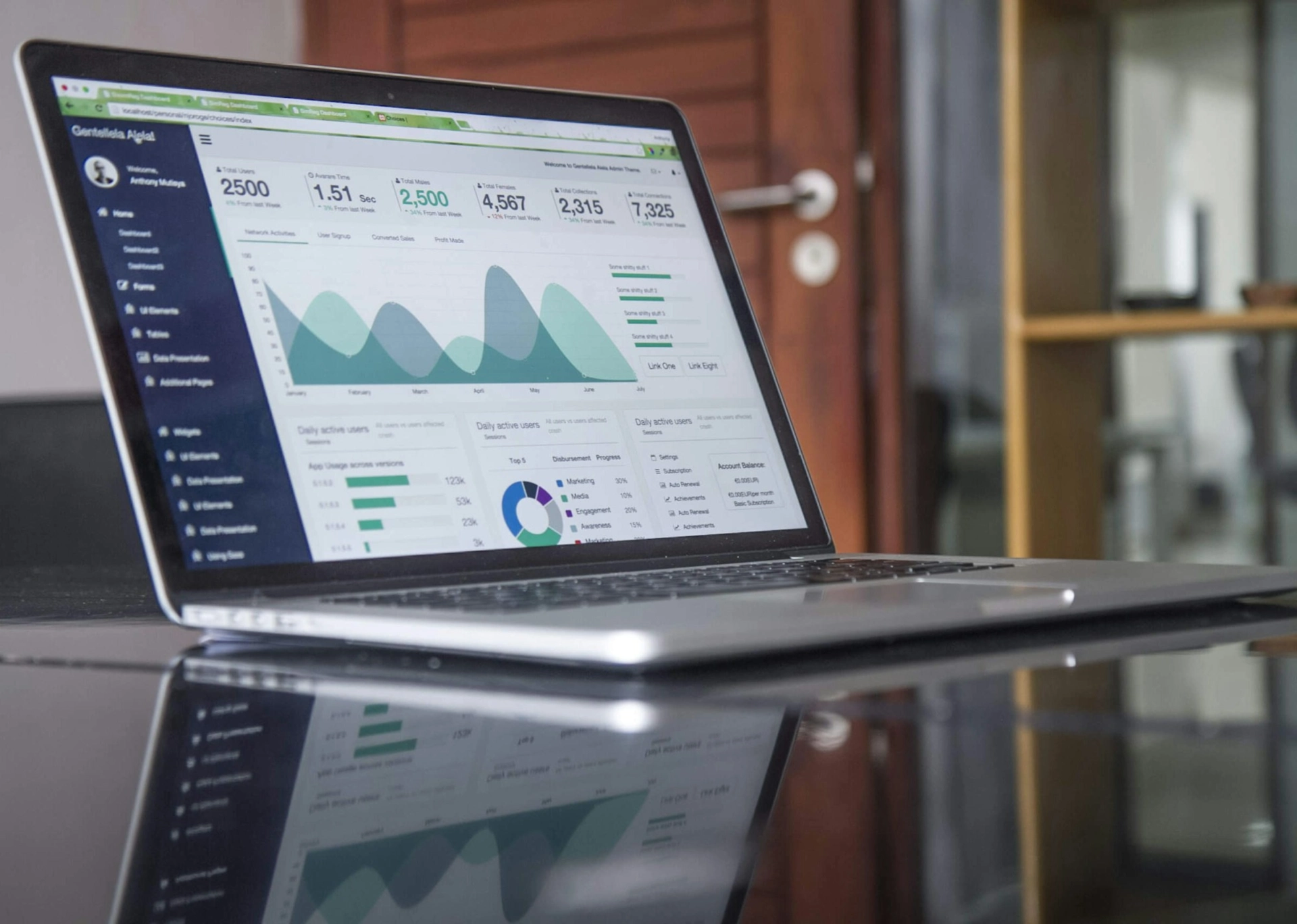
Free Tools to Assess Your SEO Performance
You don't need an expensive tech stack to get started with SEO. These free tools provide valuable insights into your current performance and opportunities for improvement:
- Google Analytics: Track website traffic, user behavior, and top content.
- Google Search Console: See which keywords you rank for and identify technical issues.
- Google Keyword Planner: Discover popular search terms related to your business.
- Answer the Public: Find common questions people ask about your products or services.
Practical SEO Tips for Local Businesses
Start with these proven tactics:
1. Optimize your Google Business Profile
Your Business Profile is often the first point of contact with potential customers. Keep your information accurate and up-to-date, add photos showcasing your products or services, and select categories that best describe what you do.
2. Make your website locally relevant
Prominently display your location, service area, and contact information. Ensure your site loads quickly, is mobile-friendly, and has a clear navigation structure. Create content that highlights your local expertise and community involvement.
3. Encourage customer reviews
Reviews build trust and credibility with both customers and search engines. Ask satisfied customers to leave reviews on your Google Business Profile and other relevant sites. Respond professionally to all reviews, both positive and negative.
4. Build local partnerships
Look for opportunities to get involved with local organizations, sponsor community events, and contribute to local publications. The more your business name appears in credible local contexts, the stronger your SEO signals become.
Of course, there are also paid tools and services available that can provide more advanced features and support, such as SEMrush, Ahrefs, and Moz Pro. However, for most small businesses just getting started with SEO, the free tools and resources mentioned above can be a great way to dip your toes in and start seeing results.
Implementing Your Local SEO Strategy
If you are a small or growing business owner, it's important to educate yourself about SEO and how it can benefit your business. While you don't need to become an SEO expert overnight, understanding the basics and implementing a few key strategies can go a long way in improving your online visibility and attracting more organic traffic to your website.
The key is to start small, focus on the basics, and continually measure and refine your efforts over time. By taking advantage of the free tools and resources available, educating yourself about SEO best practices, and consistently implementing the tips shared in this article, you can gradually improve your search rankings and attract more organic traffic to your small business website.
Remember, SEO is a long-term strategy and by consistently implementing these tips and providing great service to your customers, you'll gradually improve your search rankings and build a strong online reputation that drives more leads and sales. Start small, focus on one tactic at a time, and continually measure your results.
Disclosure: This content has been thoughtfully developed with a balanced approach, integrating human insight and AI-driven refinements.

A Figma design that required five debates, 100 revisions, and one quiet existential crisis. Worth it, apparently. The exclamation point to Chi and Angelito was my version of staying calm.
The Strategic Choice: Local vs. Remote Employees for Small Business Growth
Building a business is as much about people as it is about product or profit. For small business owners, one of the biggest decisions is who to hire – and where they’ll work from. The debate between local and remote employees isn’t new, but the rise of hybrid work has made the decision more nuanced than ever.
%20%E2%80%93%20and%20How%20They%20Can%20Help%20You%20Too_.webp)

Website Templates vs. Custom Development: A Practical Framework for Small Businesses
As a small business owner, your website is one of your most powerful marketing tools. It's often the first point of contact with potential customers and can make or break their decision to engage with your brand. But when it comes to building a website, you're faced with a key choice: use a pre-designed template or invest in custom development?
Choosing the Right Design Tool For Your Small Business Social Media Graphics
As a small business owner, creating eye-catching social media graphics is crucial for engaging your audience and building your brand. But with a dizzying array of design tools available nowadays, how do you choose the right one for your needs? In this article, we'll dive into the strengths and weaknesses of three popular options - Canva, Adobe Creative Suite, and AI-powered tools – to help you make an informed decision.

Strengthening Our Community: How Supporting Local Businesses Benefits Us All
In every community, small businesses shape the everyday way of life. They’re not only places where people buy what they need, they are run by families, neighbors, and individuals who live in the same environment as the people they serve. When we talk about supporting local businesses, it isn’t a simple thought or a slogan we pass around casually. It is a real, practical way to strengthen the community we all share.
.webp)
Beyond Brick and Mortar: Strategies for Small Businesses to Succeed Online
If you're a small business owner in Central Florida, you've probably heard that having an online presence is important. But what does that really mean? And how do you get started when you're already juggling a thousand other tasks?
Why Local Businesses Win More With A Strong Google Profile Than With A Website Alone
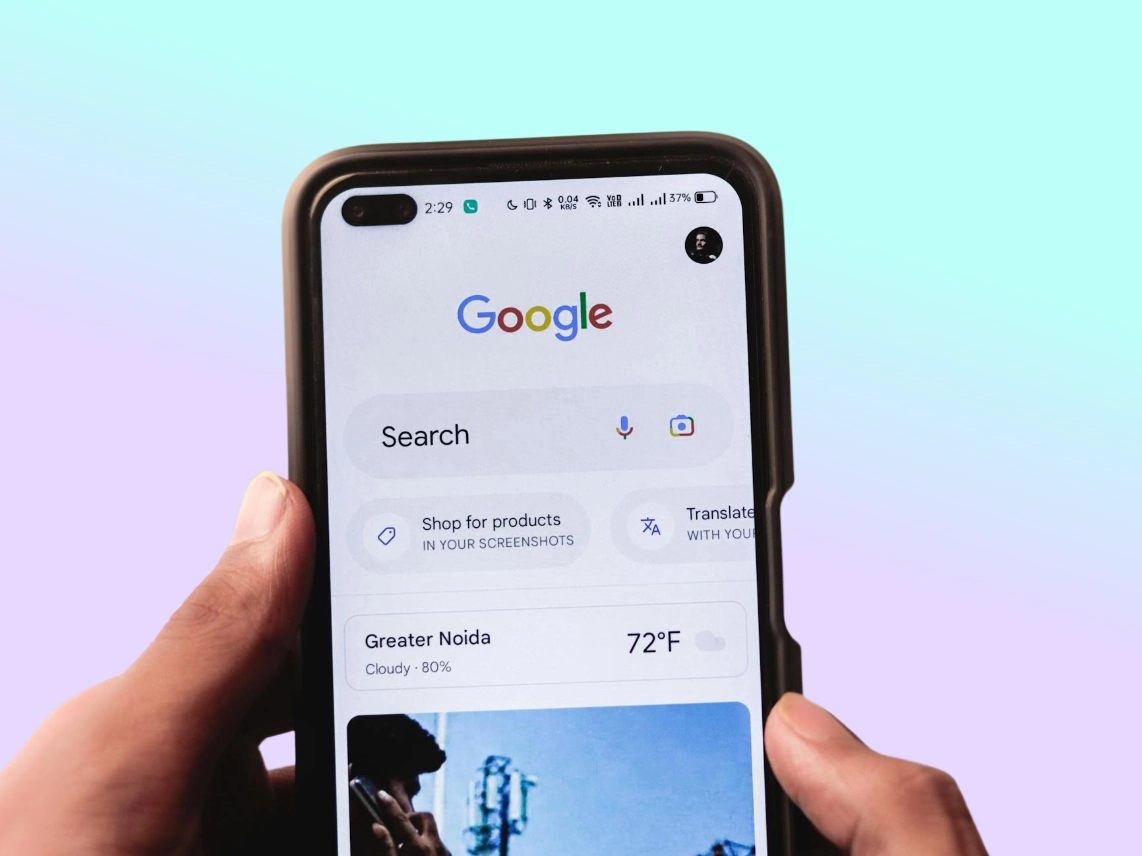
For a long time, having a website was the main way to get noticed online. It was like your digital storefront, the place where people could learn about your business, see what you offer, and choose whether to come in. And while a website is still super important, it's not the only thing that matters anymore. These days, for a lot of local businesses, the first place customers see you isn't your homepage. It's your Google Business Profile.